How to Choose the Best Plagiarism Checker
Introduction
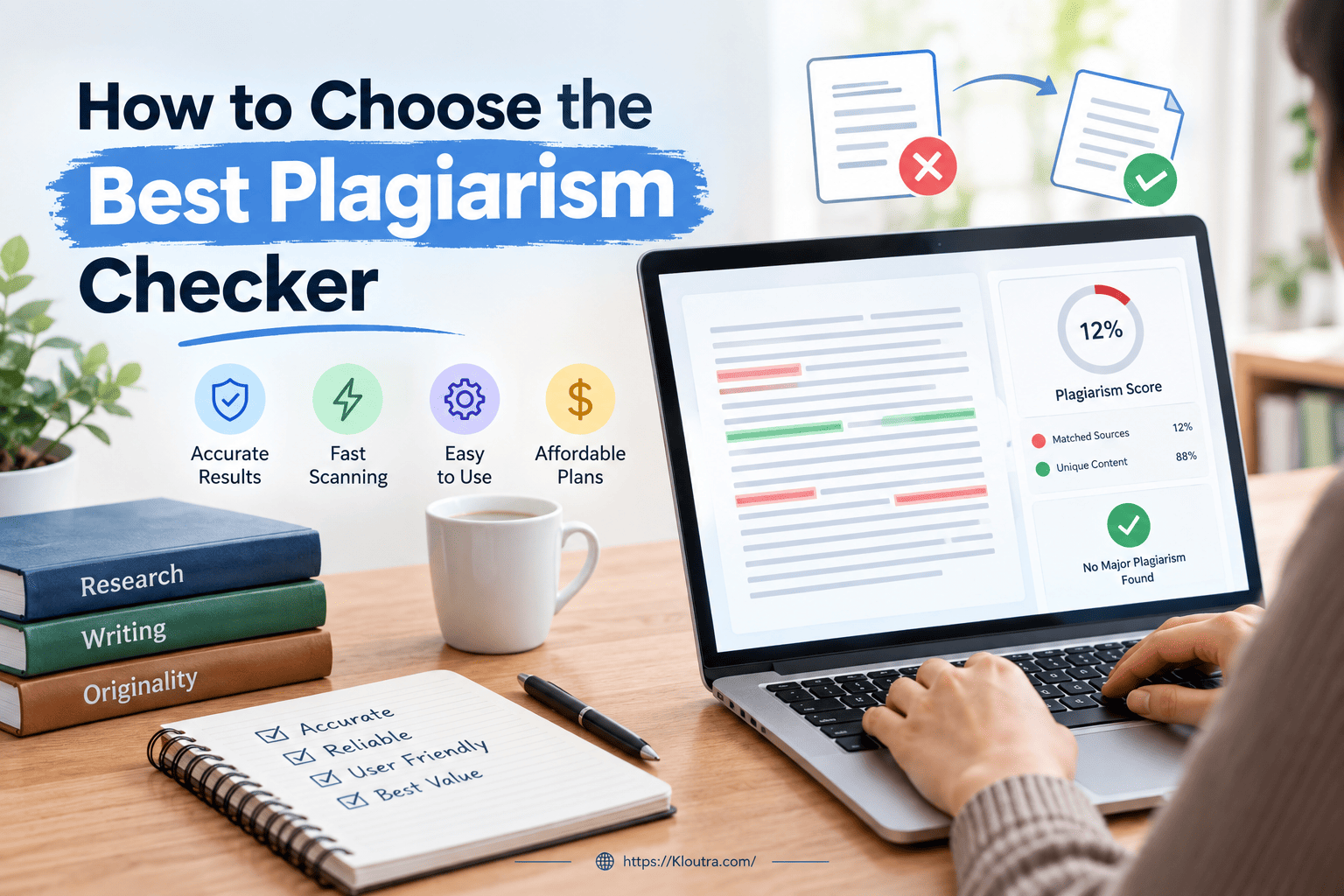
Choosing the right plagiarism checker can help you protect your content and maintain originality. A Best Plagiarism Checker can find duplicate or similar content and show possible matching sources. This guide explains how to choose a plagiarism checker based on accuracy, features, ease of use, privacy, and your content needs.
What Is a Plagiarism Checker?
A plagiarism checker is a tool that checks content for copied or similar text. It compares your writing with content from different sources. These sources may include websites, articles, and published documents. The tool then reports possible matches in the submitted content.
How Does a Plagiarism Checker Work?
A plagiarism checker scans your text and compares it with available sources. It looks for matching words, phrases, and sentence patterns. The tool may show the matching sources in a report. Some tools also provide a similarity percentage for the checked content.
What Content Can It Check?
Most plagiarism checkers can scan essays, articles, blog posts, and assignments. Some tools also support documents, website content, and academic papers. Supported file types can vary between different plagiarism checking tools.
Why Use a Plagiarism Checker?
A plagiarism checker helps writers review content before publishing or submitting it. It can identify similar text that may need rewriting or proper citation. This helps users create more original and responsibly sourced content.
Protecting Content Originality
Checking content helps you find possible copied sections before publishing. Writers can review these sections and make suitable changes. Proper citations can also help credit the original source.
Avoiding Duplicate Content
Plagiarism checks can help identify duplicate or highly similar text. This is useful for blogs, websites, academic work, and business content. Reviewing matches can help you avoid publishing copied material.
What to Look for in the Best Plagiarism Checker?
Choosing a plagiarism checker depends on your content and checking needs. Look for tools that provide clear and useful results. Accuracy, coverage, ease of use, and reports all matter.
Accuracy and Detection Rate
A good plagiarism checker should identify matching text accurately. It should detect copied or closely similar wording when possible. However, no checker can guarantee that every match is found. Results can vary based on the tool and its database.
Database and Web Coverage
Check how many sources the tool can compare against. Some tools scan public web pages and online content. Others also include academic papers, books, or private databases. Wider coverage can help identify more potential matches.
Ease of Use
Choose a tool with a simple and clear interface. You should be able to upload or paste content easily. Clear instructions can make the checking process faster. A simple design also helps beginners understand the results.
Reports and Similarity Results
A useful report should clearly show possible matching text. It should identify the sources connected to those matches. Some tools also provide a similarity percentage. Remember that a similarity score does not automatically prove plagiarism.
Best Plagiarism Checker Features to Consider
Different plagiarism checkers offer different features and checking options. Choose features that match your writing and publishing needs.
Real-Time Plagiarism Detection
Some tools provide results shortly after you submit your content. This can help you review text before publishing or submitting it. Checking speed depends on the tool and the amount of content.
Multiple File and Text Formats
Some plagiarism checkers support several document formats. These may include DOCX, PDF, TXT, or pasted text. Supported formats vary between different tools. Check the supported formats before choosing a service.
Source and Citation Identification
Some tools show sources that contain similar or matching text. This can help you review references more easily. Citation features also vary between plagiarism checking services. Always verify sources before adding citations to your content.
How to Choose the Best Plagiarism Checker
Choosing the right tool depends on your content and checking requirements. Different tools offer different features, coverage, pricing, and privacy options. Compare these factors before making your choice.
Consider Your Content Needs
First, decide what type of content you need to check. You may check blog posts, assignments, articles, or business documents. Choose a tool that supports your content type and preferred workflow.
Compare Features and Pricing
Compare the features offered by different plagiarism checking tools. Check word limits, reports, supported formats, and checking options. Free tools may have fewer features or usage limits. Paid plans often provide additional features and higher limits.
Check Privacy and Data Security
Review how the service handles your uploaded content. Check its privacy policy and data retention practices. Avoid uploading sensitive documents without understanding how they are handled. Choose a service with clear privacy and security information.
Who Should Use a Plagiarism Checker?
Plagiarism checkers can help anyone who creates or reviews written content. They are useful across education, publishing, and business environments.
Students and Teachers
Students can check assignments before submitting their work. Teachers can review submitted papers for matching content. These tools can support proper citation and academic writing practices.
Writers and Bloggers
Writers can check articles before publishing them online. Bloggers can identify similar content and review potential source matches. This helps them improve originality and citation practices. You can also learn how AI and human writing differ in content creation.
Businesses and Content Teams
Businesses can check website content, reports, and marketing materials. Content teams can review articles before publishing them. Plagiarism checks can support consistent and original content creation.
Free vs Paid Plagiarism Checkers
Free and paid plagiarism checkers can serve different content needs. Your choice depends on your content volume and required features.
Benefits of Free Tools
Free tools can help users perform basic plagiarism checks. They often work well for short documents and occasional checks. Some free tools provide matching sources and basic similarity results. However, usage limits and features can vary between services.
When a Paid Tool Is Worth Using
A paid tool may suit users with regular checking needs. Paid plans may offer higher word limits and additional features. Some services also provide detailed reports and broader database access. Always compare the features before paying for a subscription.
Common Mistakes When Checking for Plagiarism
Plagiarism reports need careful review before making changes. A similarity result does not always mean copied content. Understanding the report can help you make better decisions.
Relying Only on Similarity Scores
A similarity score shows matching or similar text found by the tool. It does not automatically prove that plagiarism occurred. Common phrases can sometimes create matching results. Always review the highlighted text and listed sources.
Ignoring Original Sources
Do not ignore the sources shown in a plagiarism report. Check each source to understand why the text matches. You may need to rewrite, quote, or cite the material. Always verify the original source before making changes.
Tips for Creating Original Content
Creating original content starts with proper research and writing habits. Use reliable sources and develop your own explanation of each topic.
Research and Write in Your Own Words
Read multiple sources before writing your content. Understand the information instead of copying sentences directly. Then explain the ideas using your own words and structure. Clear and useful content also plays an important role in modern SEO. This approach helps create more original and useful content.
Cite Sources Correctly
Give credit when you use someone else’s ideas or words. Use the citation style required for your project or publication. Put quotation marks around directly quoted text when appropriate. Check your sources before publishing or submitting the final content.
Conclusion
Choosing the right plagiarism checker depends on your content and checking needs. Look for accuracy, useful features, clear reports, and suitable coverage. Also, review the tool’s privacy practices before uploading your content. A good plagiarism checker can help you review content before publishing. Always review matching sources instead of relying only on similarity scores.
Disclaimer: This article provides general information about plagiarism checkers. It is not professional, academic, legal, or other expert advice. Results and features may vary between different tools. Always review the tool’s terms, privacy policy, and results before making decisions.