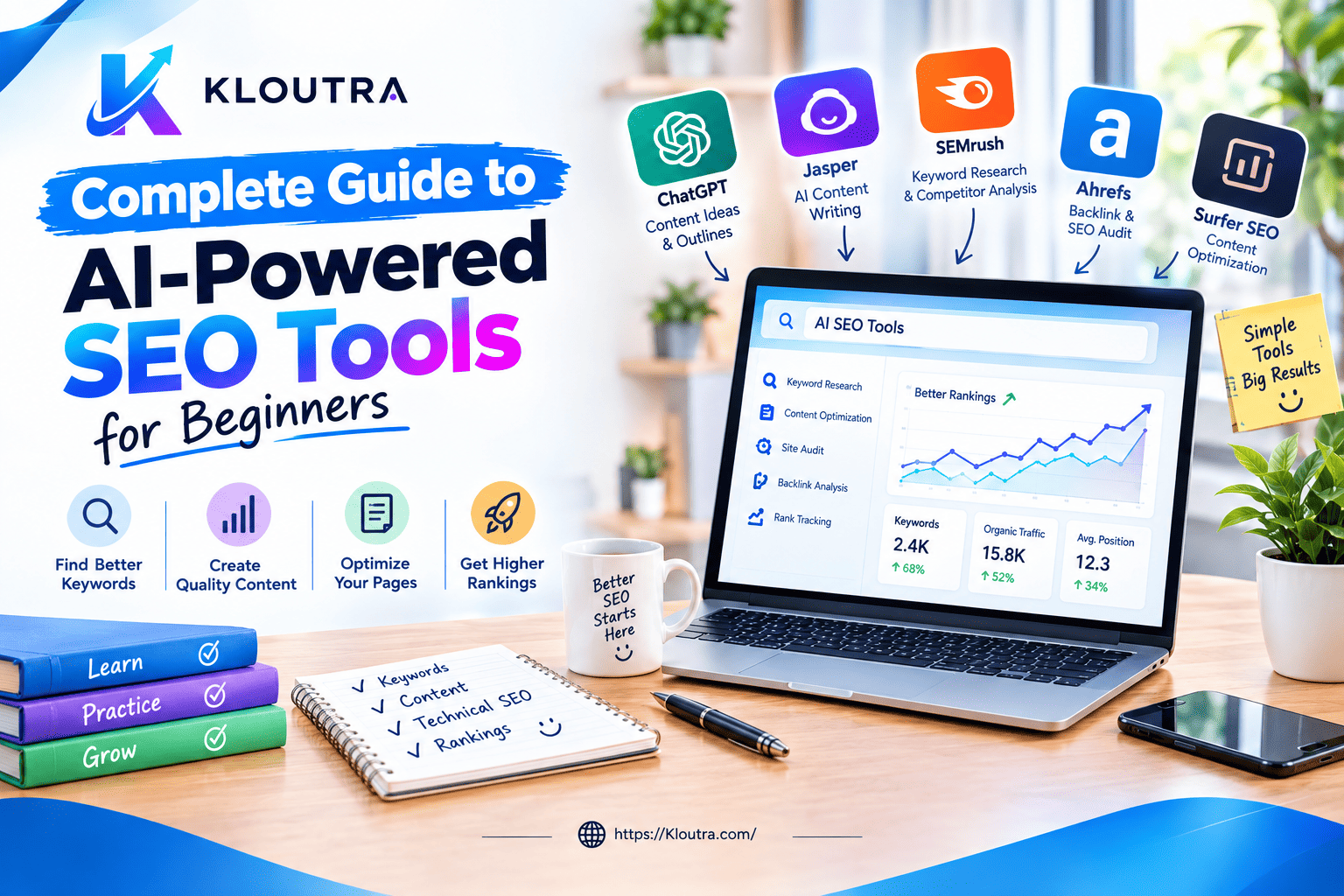
Complete Guide to AI-Powered SEO Tools for Beginners
Introduction
AI powered SEO tools are making SEO easier for beginners and website owners. These tools can help with keyword research, content optimization, competitor analysis, and technical SEO tasks.
They can save time and make many SEO tasks easier to manage. In this guide, we will explain how AI-powered SEO tools work and how beginners can use them effectively.
What Are AI Powered SEO Tools?
AI powered SEO tools use artificial intelligence to support different SEO tasks. They can analyze data, identify patterns, and provide useful recommendations. These tools help users research keywords and improve website content more efficiently. Google also advises evaluating SEO tools and recommendations carefully before using them.
How AI SEO Tools Work
AI SEO tools process large amounts of SEO and website data. They use algorithms to identify patterns and suggest possible improvements. Some tools analyze keywords, content, competitors, backlinks, and technical issues. The results can help users make better SEO decisions.
What SEO Tasks Can AI Tools Automate?
AI tools can automate many repetitive SEO tasks. These include keyword research, content analysis, and SEO recommendations. Some tools can also identify content gaps and technical issues. They can help create titles, meta descriptions, and content optimization suggestions.
However, users should review AI suggestions before making important SEO changes. Automated content created mainly to manipulate rankings can violate Google’s spam policies.
AI SEO Tools vs Traditional SEO Tools
Traditional SEO tools mainly provide data, reports, and specific SEO metrics. AI SEO tools can use that data to provide recommendations and patterns. This can make complex SEO information easier for beginners to understand.
AI tools do not replace SEO knowledge or human judgment. They work best when users review their suggestions and apply them carefully.
Why Use AI Powered SEO Tools for SEO?
AI powered SEO tools can make many SEO tasks faster and easier. They help beginners understand data and find useful optimization opportunities. These tools can also reduce time spent on repetitive SEO work.
Save Time on SEO Tasks
AI SEO tools can speed up many common SEO tasks. They can analyze keywords, content, competitors, and website performance. Some tools also generate SEO suggestions within seconds. For small businesses, AI automation tools for small business marketing can also reduce repetitive marketing work. This lets users spend more time improving their overall SEO strategy.
Find Better Keyword Opportunities
AI tools can help identify relevant keywords for your target audience. They can group related terms and reveal possible content topics. Some tools also analyze search intent and keyword competition. For B2B businesses, AI lead generation strategies can help identify and qualify potential customers. This helps users choose keywords that match their content goals.
Improve Content Optimization
AI SEO tools can review content and suggest possible improvements. They may identify missing topics, related terms, or weak sections. Some tools also suggest better headings, titles, and meta descriptions. Users should always review these suggestions before publishing content.
Track SEO Performance More Easily
AI tools can simplify SEO performance tracking and reporting. They can help monitor rankings, organic traffic, and other SEO metrics. Some tools highlight changes that may need further attention. This makes regular SEO monitoring easier for beginners.
Key Features of AI Powered SEO Tools
AI powered SEO tools offer different features for different SEO needs. Most tools combine research, content, technical, and tracking features.
AI Keyword Research
AI tools can find keywords related to your main topic. They can also group keywords by topic and search intent. Some tools show keyword difficulty and estimated traffic potential. This helps users find useful terms for their content.
Content Optimization
These tools can review content and suggest optimization improvements. They may suggest headings, related terms, and better content structure. Some tools compare content with pages ranking for similar searches.
Competitor Analysis
AI SEO tools can analyze competitors and their search performance. They can identify keywords, content gaps, and ranking opportunities. This helps users understand how competing websites approach SEO.
Technical SEO Analysis
Some AI SEO tools can crawl websites for technical problems. They may find broken links, crawl issues, and schema gaps. These tools can also highlight problems affecting website accessibility and performance.
SEO Content Suggestions
AI tools can suggest topics, outlines, headings, and related keywords. Some tools can also create content briefs from search results. Generative AI for content marketing can help marketers plan and organize content workflows more efficiently. These suggestions can help writers plan useful and relevant content.
Best Ways to Use AI Powered SEO Tools
AI powered SEO tools can support many parts of your SEO workflow. They can help you research keywords, plan content, and improve existing pages. The best results come when you combine AI suggestions with human judgment.
Finding Relevant Keywords
AI SEO tools can help you discover keywords related to your main topic. They can suggest related terms and different search queries. Some tools also show search volume and keyword competition. Use these suggestions to understand what your audience may search for.
Creating SEO Content Ideas
AI tools can suggest topics based on keywords and search intent. They can help create article ideas, headings, and content outlines. For social media tasks, AI tools for social media management can also help create and manage content more efficiently. You should review these ideas before adding them to your content. Focus on topics that provide real value to your readers.
Optimizing Existing Content
AI tools can review existing pages and suggest possible improvements. They may identify missing topics, weak sections, or unclear headings. You can use these suggestions to make your content more useful. Always check the changes before publishing updated content.
Improving Meta Titles and Descriptions
AI tools can suggest clear titles and meta descriptions for pages. They can help make these elements more relevant to searchers. Google may use your meta description when creating search snippets. However, Google can also create snippets directly from page content.
Finding Content Gaps
AI tools can compare your content with competing search results. They may highlight topics or questions your page does not cover. These gaps can help you improve your article’s overall usefulness. Always add information that genuinely helps readers understand the topic.
How to Choose AI Powered SEO Tools for Beginners
Choosing the right AI SEO tool depends on your SEO goals and experience. Beginners should focus on useful features, simple controls, and reliable data. Google also recommends carefully evaluating third-party SEO tools and their recommendations.
Check the Main SEO Features
First, check which SEO tasks the tool can handle. Look for features like keyword research, content analysis, and site audits. Choose features that match your current SEO needs. Avoid paying for advanced features you will rarely use.
Compare Pricing and Free Plans
Compare the prices of different tools before choosing one. Check what features each free or paid plan includes. Some tools limit searches, reports, or other features on free plans. Choose a plan that fits your budget and SEO workload.
Look for Easy-to-Use Interfaces
Beginners should choose tools with simple and clear interfaces. A clean dashboard makes SEO data easier to understand. Look for clear reports, helpful explanations, and easy navigation. A complicated tool can make basic SEO tasks harder.
Check Data Accuracy and Updates
Reliable data is important when making SEO decisions. Check how often the tool updates its databases and reports. Compare important findings with trusted sources when possible. Remember that AI suggestions should support decisions, not replace human review.
Benefits and Limitations of AI Powered SEO Tools
AI powered SEO tools can make many SEO tasks faster and easier. However, they also have limits that beginners should understand.
Benefits of AI SEO Tools
AI SEO tools can save time on repetitive SEO tasks. They can help find keywords, content ideas, and optimization opportunities. Some tools can also analyze competitors and identify content gaps. They can make large amounts of SEO data easier to understand. This helps beginners make more informed SEO decisions.
Limitations of AI SEO Tools
AI SEO tools can sometimes provide inaccurate or incomplete suggestions. Their recommendations may also depend on the data they use. Some advanced tools can be expensive for beginners. AI tools may also miss important details about your audience. They cannot fully understand your business goals or brand voice. You should review their suggestions before making major SEO changes.
Why Human Review Still Matters
Human review helps check accuracy, relevance, and overall content quality. People can also understand context better than automated tools. AI should support your SEO process, not control every decision. Google also warns against using AI to create low-value scaled content. Reviewing AI-generated suggestions can help you create useful content for readers.
Common Mistakes Beginners Make With AI SEO Tools
Beginners can make simple mistakes when using AI SEO tools. Understanding these mistakes can help you use AI tools more effectively.
Relying Completely on AI Suggestions
AI tools can provide useful SEO suggestions and recommendations. However, their suggestions may not always fit your specific website. Always review recommendations before making important SEO changes. Use your own knowledge to check whether each suggestion makes sense.
Ignoring Search Intent
Search intent explains what users want from a search query. AI tools can suggest keywords without fully understanding your audience. Always check whether your content answers the user’s actual question. Matching search intent helps create content that serves readers better.
Using Keywords Without Context
Keywords should fit naturally within your content. Avoid adding keywords simply because an AI tool suggests them. Unnatural keyword use can make content difficult to read. Google considers excessive keyword repetition a form of keyword stuffing.
Publishing AI Content Without Editing
AI-generated content should not go online without proper review. Check the content for accuracy, clarity, and useful information. Remove unnecessary statements and fix any factual errors. Add your own insights and information where they improve the content. Google warns against using AI to create large amounts of low-value content.
Are AI Powered SEO Tools Worth Using in 2026?
AI powered SEO tools can be useful for beginners and experienced SEO users. They can speed up research, analysis, and content optimization tasks. However, these tools work best when people review their recommendations. Google still recommends following basic SEO practices for AI search features.
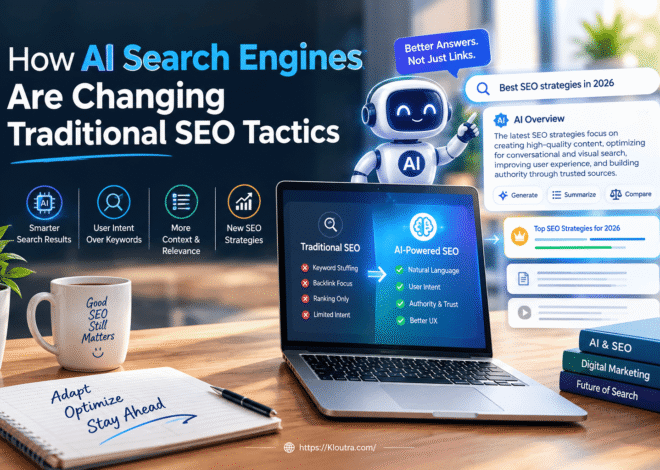
How AI Is Changing SEO
AI is changing how people search for information online. Google now includes AI features such as AI Overviews and AI Mode. These features can answer complex questions and show supporting website links. AI SEO tools can help users adapt to these changes. They can support research, content planning, and SEO analysis.
AI Search and the Future of SEO
AI search is making search experiences more conversational and detailed. People can ask longer questions and explore topics through follow-up searches. Google says traditional SEO practices still matter for AI search features. Websites should focus on useful, reliable, and original content. There are no special AI tricks that guarantee search visibility.
What Beginners Should Focus on
Beginners should learn basic SEO before depending heavily on AI tools. Focus on search intent, useful content, keywords, and technical SEO. Use AI tools to support research and improve your workflow. Always check AI suggestions before applying them to your website. Google recommends creating accurate, relevant, and people-first content.
FAQs About AI Powered SEO Tools
AI powered SEO tools can help with many SEO tasks. Here are some common questions beginners may have.
What are AI powered SEO tools?
AI powered SEO tools use artificial intelligence to support SEO tasks. They can help with keywords, content, competitors, and technical SEO. These tools provide suggestions based on available data and analysis.
Are AI SEO tools good for beginners?
Yes, many AI SEO tools can help beginners understand SEO tasks. They can simplify research and provide useful optimization suggestions. Beginners should still learn basic SEO concepts before using them.
Can AI SEO tools improve Google rankings?
AI SEO tools cannot guarantee higher Google rankings. They can help identify possible areas for SEO improvement. Your rankings depend on many factors, including content quality and relevance. Google does not recommend using AI simply to manipulate search rankings.
Are AI SEO tools free?
Some AI SEO tools offer free plans or limited free features. Other tools require monthly or yearly subscriptions for advanced features. Free plans often have limits on searches, reports, or usage. Always check the current pricing before choosing a tool.
Can AI replace SEO professionals?
AI can support SEO professionals, but it cannot fully replace them. SEO still requires strategy, judgment, research, and content review. Professionals can understand business goals and audience needs more deeply. AI works best as a tool that supports human SEO work.
Conclusion
AI powered SEO tools can make many SEO tasks faster and easier. They can help with keyword research, content planning, and SEO analysis. However, these tools should support your SEO strategy, not replace it. Always review AI suggestions and check important information carefully. Focus on useful content that answers your audience’s real questions. When used properly, AI tools can support a stronger SEO workflow.