How to Create a Research Dossier for a Target Company
What Is a Research Dossier for a Target Company?
A research dossier is an organized report about a specific company. It brings important company information together in one place. The dossier helps you understand how the company operates and competes. It can cover the company’s background, products, services, and business model.
A company research dossier can also include financial and market information. It may cover leadership, competitors, customers, risks, and recent developments. The information you include depends on your research goal. Investors, businesses, sales teams, and researchers may use different details.
A good dossier uses reliable sources and clearly records important findings. You should check important facts against trustworthy and current sources. This helps reduce errors and keeps the research useful. A well-organized dossier makes company information easier to understand and compare.
Why Is Target Company Research Important?
Target company research helps you understand a business before making important decisions. It gives you useful information about how the company operates. It also helps you avoid making decisions based on assumptions.
Good research helps you understand the company’s market, competitors, customers, and financial position. It can also help you find possible risks and business opportunities. This gives you a clearer picture of the company’s current position.
Research also makes it easier to compare different companies and their performance. You can use reliable information to support your business decisions. This can help investors, partners, and businesses plan their next steps.
Identify Risks and Opportunities
Identify risks that could affect the company’s finances, customers, suppliers, or market position. Also look for opportunities that could support growth through new markets or customers. Record these findings clearly to support better business decisions.
Make Better Business Decisions
A research dossier gives you reliable information before making important business decisions. It helps you compare risks, opportunities, finances, and market conditions more clearly. This information helps you choose suitable actions with less guesswork and uncertainty.
What Should a Company Research Dossier Include?
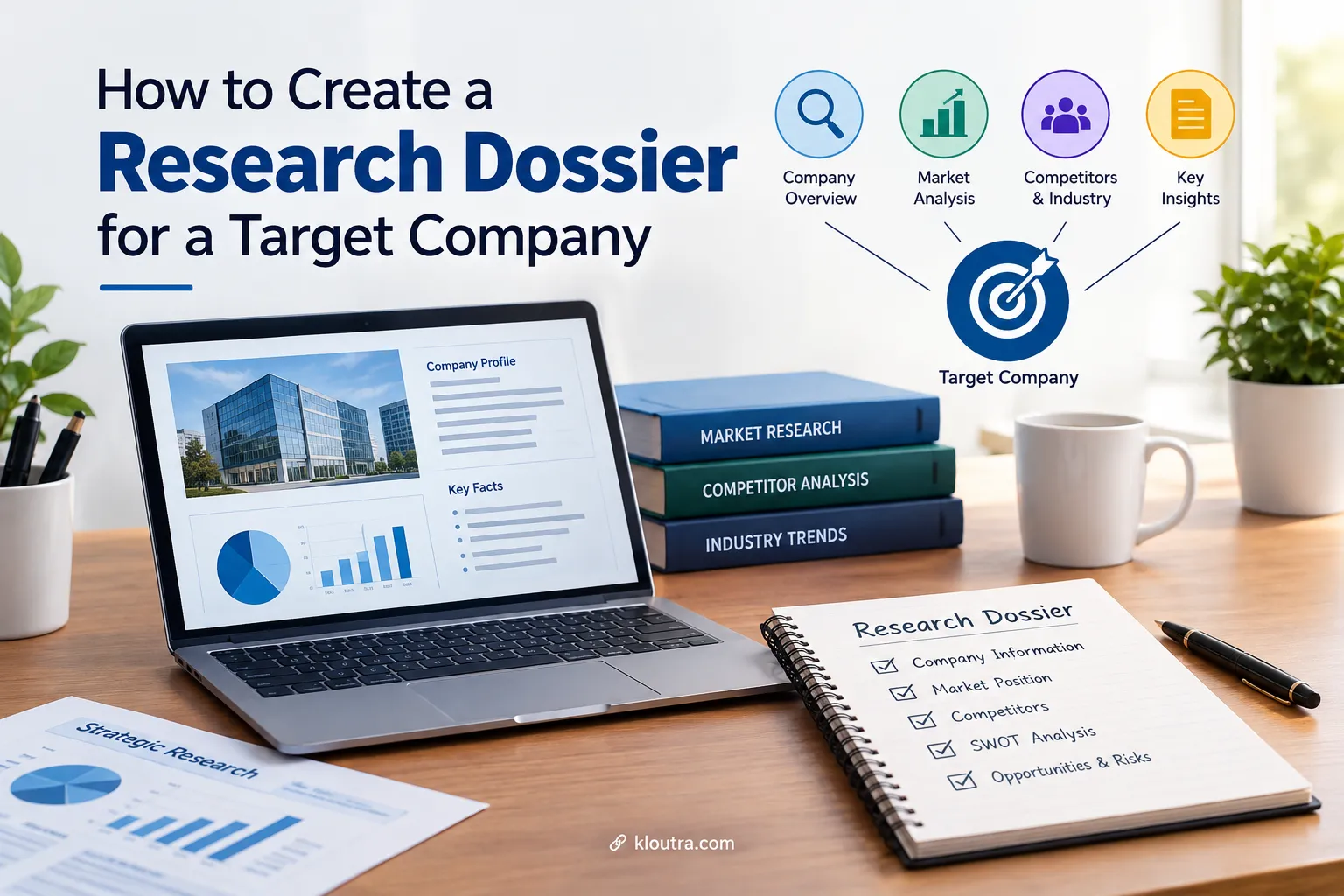
A company research dossier should cover the most important facts about the target business. It should explain the company, its products, services, and business model. It should also describe its market, customers, competitors, and growth plans.
The dossier should include financial performance, leadership, operations, and major business risks. It can also cover legal matters, suppliers, partners, and important business documents management. The exact information depends on the purpose and scope of your research.
A strong dossier should organize findings from reliable and current sources. It should clearly separate facts, analysis, risks, and important observations. This makes the report easier to review and use for decisions.
Company Background and Business Model
Company Background and Business Model Start by explaining when the company began and what it does today. Mention its main products, services, customers, markets, and business activities. Also explain how it serves its customers. Describe how the company earns money through its products or services. Include key business segments and markets when available. This information helps readers understand the company and its basic business model.
Products, Services, and Target Market
List the company’s main products and services and explain what they offer. Identify the customers who buy these products or use these services. Also mention the markets and regions the company serves. Explain how these offerings meet customer needs and support the company’s business goals.
Financial and Business Performance
Review the company’s revenue, expenses, profits, and cash flow over time. Check its balance sheet to understand assets, debts, and overall financial strength. Compare recent results with earlier years to identify growth or financial problems.
Leadership and Management
Review the company’s board members, executives, and senior management team. Check their roles, experience, responsibilities, and involvement in business decisions. Also review the company’s leadership structure, governance practices, and management responsibilities.
Competitors and Market Position
Identify the company’s main direct and indirect competitors in its market. Compare their products, pricing, customers, strengths, weaknesses, and market strategies. Then explain the company’s position and identify areas where it stands out.
Risks and Business Opportunities
Identify risks that could affect the company’s finances, operations, customers, or market position. Look for opportunities that could support growth through new markets, products, or technology. Review each risk and opportunity based on its possible impact and likelihood.
How to Create a Research Dossier for a Target Company
Start by deciding what you want to learn about the target company. Set clear research goals before collecting any information. This keeps your research focused and organized. Collect information from reliable company, financial, and industry sources. Start with the company website and official filings. Use several sources to check important facts and reduce errors.
Analyze the company’s business model, market, competitors, finances, and risks. Compare recent information with older data when possible. This helps you understand changes in performance and market position. Organize your findings into clear sections for easier review. Separate verified facts from your own analysis and conclusions. Keep your sources recorded so you can check information later.
Define Your Research Goals
Decide what you want to learn about the target company. Set clear goals before collecting information. Focus on areas such as finances, competitors, products, or market position.
Collect Reliable Company Information
Start with the company website, official filings, and trusted business sources. Use multiple sources to check important facts and avoid outdated information. Record your sources so you can verify information when needed.
Analyze the Company and Its Market
Review how the company makes money, serves customers, and competes. Study its industry, competitors, market share, and major market trends. Compare the company with competitors to understand its market position.
Evaluate Financial and Business Performance
Review revenue, expenses, profits, cash flow, and the company’s financial position. Compare recent results with earlier periods to identify growth or financial problems. Check key financial ratios to compare performance with competitors and industry trends.
Identify Risks and Opportunities
Identify risks that could affect the company’s finances, operations, customers, or market position. Look for opportunities that could support growth through new markets, products, or technology. Review each risk and opportunity based on its possible impact and likelihood.
Verify and Organize Your Findings
Check important facts against reliable and current sources. Use more than one source when possible. Organize your findings into clear sections for easier review. Keep facts, analysis, and opinions separate. Record each source so you can verify information later.
Where to Find Reliable Company Research Data?
Start with the company website and its investor relations pages. These sources provide company details, reports, announcements, and leadership information. Use official filings and regulatory records for financial and legal information. Public companies often provide annual and quarterly reports through regulators.
Industry reports, trade publications, and trusted business databases provide market information. Use several sources to compare facts and reduce research errors. For U.S. public companies, the SEC’s EDGAR database provides free company filings. Other countries have their own regulatory bodies and business registers.
Official Company Sources
Start with the company website for basic and current business information. Check its About, Products, Leadership, and Investor Relations pages. Review annual reports, financial statements, and official company announcements. Public companies also publish filings through regulatory databases. Use official sources to confirm important company facts before adding them. Compare key information with independent sources when possible.
Financial and Regulatory Records
Check annual reports, financial statements, and other official company filings. Regulatory databases can provide financial, ownership, and legal information. For U.S. companies, use the SEC’s EDGAR database for public filings. Always check the filing date before using financial information.
Industry Reports and News Sources
Use industry reports to understand market trends, competitors, and industry changes. Check trusted news sources for recent company and market developments. Compare important news with other reliable sources before adding it.
How to Analyze a Target Company’s Competitors
Start by identifying the target company’s main direct and indirect competitors. Compare their products, prices, customers, strengths, and weaknesses. Also review their market strategies and overall position within the industry. This helps you understand how the target company competes with other businesses.
Next, study market trends and changes that could affect competition. Look for new competitors, changing customer needs, and growth opportunities. Compare the target company with similar businesses using the same factors. This helps you identify its competitive strengths, weaknesses, and market position.
Identify Direct and Indirect Competitors
Start by identifying businesses that offer similar products or services. These businesses are direct competitors in the same market.
Then identify indirect competitors that meet similar customer needs differently. Review their products, customers, market segments, and competitive strengths.
Compare Products and Services
Compare the target company’s products or services with its main competitors. Look at features, pricing, quality, and customer needs.
Note important differences between the company and its competitors. This helps show where the company has strengths or weaknesses.
Compare Pricing and Market Position
Compare the target company’s prices with similar competitor offerings. Check discounts, pricing plans, and major differences between competitors.
Then assess the company’s market position against its competitors. Consider market share, strengths, weaknesses, and competitive advantages.
Common Mistakes to Avoid When Researching a Company
Avoid using outdated information when researching a target company. Always check publication dates and recent company updates.
Do not rely on one source for important company information. Compare key facts across reliable and independent sources.
Do not ignore negative findings, risks, or possible business problems. A balanced review should consider both positive and negative information.
Relying on Outdated Information
Avoid using old information when researching a target company. Company details, products, and market conditions can change over time.
Check publication dates and recent updates before using important information. Use newer reliable sources when older information may no longer apply.
Using Only One Source
Avoid relying on one source when researching a target company. Different sources can provide different details and perspectives.
Compare important facts across reliable sources before adding them. This helps you spot errors, missing details, or conflicting information.
Ignoring Risks and Negative Findings
Do not focus only on positive information about the target company. Review risks, complaints, disputes, and other negative findings.
Check concerning information through reliable sources before reaching any conclusions. Document verified findings and consider their possible impact on the company.
How AI Can Help With Company Research
AI can help organize large amounts of company information more quickly. It can summarize documents, compare information, and help identify important details.
You can use AI to organize research into clear sections. It can also help compare companies, markets, products, and business information.
Always check AI-generated information against reliable sources before using it. AI systems can produce inaccurate or incomplete information.
Using AI to Organize and Analyze Information
AI can help organize large amounts of company information into clear sections. It can summarize documents and identify key details for further review.
You can use AI to compare information from different documents and sources. It can also help identify patterns, gaps, and areas needing further research.
Review AI results yourself before adding them to your research dossier. Human review helps keep the research accurate and properly supported.
Why AI Research Still Needs Fact-Checking
AI can produce information that sounds accurate but may contain incorrect details. NIST notes that AI systems can produce misleading or inaccurate content.
Check AI-generated facts against reliable company and industry sources. Verify important claims before adding them to your research dossier. Fact-checking helps keep your research accurate, balanced, and trustworthy.
Research Dossier for a Target Company Template
Use this simple template to organize your company research. Adjust sections based on your research goal.
Research Objective:
State what you want to learn about the target company.
Company Overview:
Add the company’s background, business model, products, and main markets.
Leadership:
List key executives, board members, and their main responsibilities.
Financial Performance:
Record revenue, profits, cash flow, debts, and other relevant financial details.
Competitors:
Identify direct and indirect competitors and compare their market positions.
Risks and Opportunities:
Record major risks, growth opportunities, and important business concerns.
Recent Developments:
Add recent company news, product launches, partnerships, or major changes.
Key Findings:
Summarize the most important facts and findings from your research.
Sources and Dates:
Record each source and the date you reviewed the information. This helps you verify findings later.
Frequently Asked Questions
What Is a Research Dossier for a Target Company?
A research dossier is an organized report about a specific company. It brings important company, financial, market, and competitor information together.
What Should a Company Research Dossier Include?
It should include company details, products, leadership, finances, competitors, risks, and opportunities. The exact sections can change based on your research purpose.
How Do You Research a Target Company?
Start with the company website and official business records. Then compare information using reliable industry and news sources.
What Sources Are Best for Company Research?
Company websites, regulatory filings, industry reports, and trusted news provide useful information. Use several reliable sources because information quality can vary between sources.
Final Thoughts
A research dossier helps you understand a target company more clearly. It brings important business information into one organized report. Start with reliable sources and check important facts carefully. Use company websites, filings, industry reports, and trusted news sources.
Review the company’s business model, finances, competitors, risks, and opportunities. Keep your sources recorded and separate facts from your analysis. A well-organized dossier can make company research easier and more useful. Update your findings when important company information changes.
Disclaimer:
This article provides general information about company research and research dossiers. It is not financial, legal, investment, or professional advice. Company information can change over time, so always verify important facts through current and reliable sources. Research results may also vary based on the company, industry, location, and available information.
Read more about business software.