GEO vs SEO: How to Rank Your Website Inside ChatGPT and Gemini
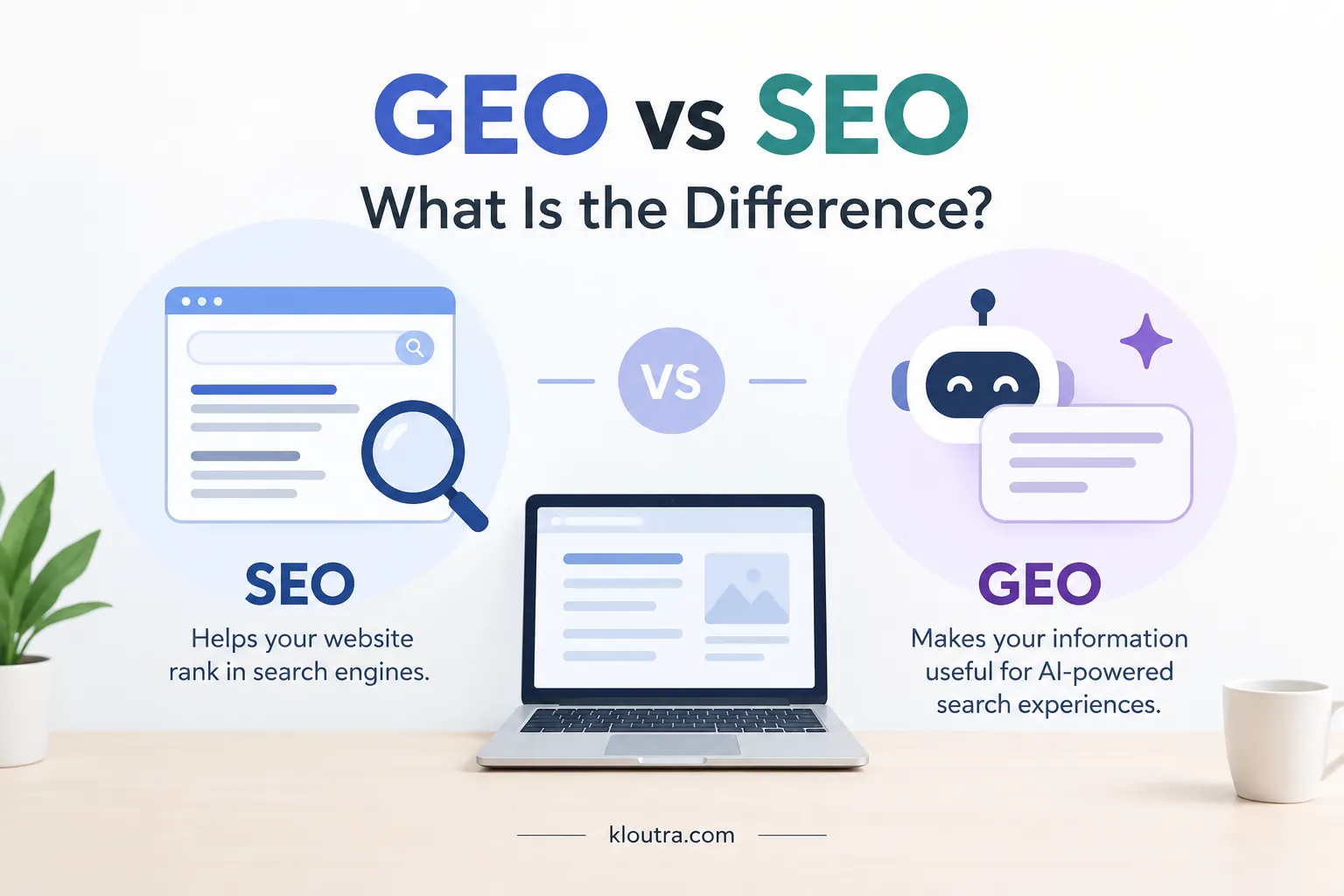
GEO vs SEO: What Is the Difference?
SEO and GEO are related, but they support different parts of modern search. SEO has long focused on helping websites perform in search engines. GEO focuses on making website information useful for AI-powered search experiences.
| SEO | GEO |
|---|---|
| Traditional search optimization | AI search optimization |
| Focuses on search rankings | Focuses on AI visibility |
| Uses keywords, links, and technical SEO | Focuses on clear, useful information |
| Optimizes pages for search engines | Makes information easier for AI systems to use |
| Targets search engine results | Targets AI-generated responses |
How Traditional SEO Gets Your Website Found
Search engines first need to discover your website through crawling. They then process and store pages in their search index.
Your website’s technical setup can affect this process. Robots.txt, internal links, canonical tags, and sitemaps can guide search engines.
Search engines then decide which indexed pages can appear for specific searches. Relevance, content quality, and many other signals can affect those results.
How GEO Helps AI Systems Understand Your Content
AI systems need to identify useful information from available sources. Well-organized content gives them clearer information to work with.
For example, an article can explain a question before adding supporting details. It can also define important terms and provide specific examples.
Strong GEO content should make important information easy to identify. It should also provide enough context for the information to make sense on its own.
This approach can help your content fit AI-driven search experiences. However, no GEO method guarantees that an AI system will mention your website.
How AI Search Changes the Way Websites Get Discovered
AI search changes how people find and consume information online. Users can now receive direct answers instead of opening several search results.
AI search can also combine information from multiple web sources. This means websites may gain visibility through citations and links inside AI responses.
From Blue Links to AI-Generated Answers
Traditional search usually presents a list of web pages. Users then choose a result and visit the website.
AI search can provide a generated response directly on the search page. These responses may include links to supporting web sources.
Google’s AI Overviews and AI Mode can use information from web sources. This changes the user’s first interaction with your content. Your website may become a source behind the answer.
Why Being Mentioned Can Matter as Much as Ranking
A traditional search ranking mainly brings attention through your page position. AI search can introduce your website through a citation or source link.
A website may therefore gain visibility without appearing as a traditional top result. Users can discover the brand while reading an AI-generated response.
Google also provides source visibility within AI search features. However, being mentioned is not guaranteed by GEO techniques. Search systems choose sources based on their own systems and relevance signals.
SEO Still Matters for GEO
SEO and GEO work together because AI search still depends on accessible web content. Your pages must be discoverable before search systems can use them.
Why Crawlability and Indexing Come First
Search engines need to crawl your pages before they can index them. If important pages cannot be crawled, they may not enter search indexes.
Internal links also help search engines discover pages across your website. ChatGPT Search can also discover and cite public websites.
This makes crawlability an important part of your GEO strategy. Blocking relevant crawlers can reduce your content’s visibility.
How Search Rankings Can Support AI Visibility
Traditional SEO can help your content become easier to discover online. Strong SEO also helps search systems understand your website’s topics.
Keep improving content quality, site structure, and technical accessibility. Good SEO creates a strong foundation for broader search visibility. GEO then helps make your information clearer for AI-driven search experiences.
How to Make Your Content Easier for AI to Understand
AI search systems need clear information to understand and use your content. Simple structure helps both readers and search systems find the right information.
Answer the Main Question Clearly
Start each section with a direct answer to the main question. Avoid long introductions before giving useful information. Clear answers also make your content easier for readers to scan.
Use Specific Facts and Helpful Context
Add specific facts, examples, and details that support your main topic. Avoid vague statements that do not explain anything useful. Give enough context so each point makes sense on its own.
Structure Content Around Real Search Questions
Think about the questions people ask when searching for information. Use those questions to guide your headings and sections. Then answer each question clearly without adding unrelated information.
Keep Important Information Easy to Find
Use clear headings, short paragraphs, and simple sentences throughout your page. Put important details near the sections where they matter most. This helps readers quickly understand your main points.
Build Content That AI Systems Can Trust
AI systems need reliable information to provide useful answers. Clear authorship, accurate sources, and updated content can strengthen trust.
Show First-Hand Experience and Expertise
Share real experience, practical examples, and useful details. Make it clear who created the content.
Support Claims With Reliable Sources
Use trustworthy sources when making factual claims. Link to relevant sources when they help readers verify information.
Keep Author, Business, and Contact Information Clear
Provide clear information about the author and business behind your content. This helps readers understand who created the information.
Update Content When Facts Change
Review important pages when facts, products, or industry details change. Remove outdated information and replace it with accurate details.
How to Improve Your Chances of Appearing in ChatGPT Answers
There is no guaranteed way to make a website appear in ChatGPT answers. However, you can improve your chances with clear, accessible content. OpenAI says public websites can appear in ChatGPT Search.
Allow AI Search Crawlers to Access Your Website
Make sure your website does not block OAI-SearchBot from accessing important pages. OpenAI recommends allowing this crawler for content to appear in ChatGPT summaries and snippets.
Create Pages That Directly Answer User Queries
Build pages that answer specific questions clearly and early. Explain the main topic before adding supporting details. This gives both readers and search systems clear information about your page.
Strengthen Your Website’s Topical Coverage
Create useful content around your main subject and related questions. Cover important subtopics instead of publishing many unrelated articles. A strong topic structure gives your website more useful information to understand.
Make Your Brand and Key Information Consistent
Keep your brand name, business details, and important facts consistent. Use the same information across your website and relevant external sources. Clear and consistent information makes your brand easier to identify.
How GEO Works With Google AI Overviews and Gemini
SEO remains important for these AI experiences.
Optimize for Google’s AI Search Features
Follow Google’s normal SEO best practices when creating content. Make pages useful, accessible, and easy to understand.
Create Content That Can Be Extracted and Cited
Write clear answers that directly address the user’s question. Use specific facts and helpful details throughout the page. Google AI features can use web sources when generating responses.
Avoid Tactics That Look Like Search Manipulation
Do not create content only to influence AI search results. Avoid keyword stuffing, misleading pages, and large amounts of low-value content. Google’s spam policies also apply to generative AI search features.
Technical SEO Improvements That Also Help GEO
Technical SEO helps search systems access, understand, and process your website. These improvements can support both traditional and AI search.
Improve Site Speed and Mobile Experience
Make your website fast and easy to use on mobile devices. Slow pages can create a poor user experience. Google recommends good Core Web Vitals and mobile-friendly pages.
Use Clear Page Structure and Internal Links
Use clear headings to organize your content into logical sections. Add relevant internal links between related pages. This helps users and search engines navigate your website.
Add Relevant Structured Data
Use structured data that matches the actual content on your page. It helps Google understand what your page contains. However, structured data does not guarantee better rankings or search features.
Check Robots.txt and Indexing Settings
Review your robots.txt file and important indexing settings regularly. Make sure important pages are not blocked from crawling. Also check for accidental noindex tags on pages you want indexed.
How to Measure GEO Performance
Measuring GEO performance helps you understand how AI search finds your content. Track mentions, referrals, and changes in organic search traffic.
Track Mentions and Citations in AI Answers
Search for your important topics across AI search platforms. Check whether these platforms mention or cite your website. Record which pages appear and which questions trigger those mentions. This helps you spot changes in your AI visibility over time.
Monitor Referral Traffic From AI Platforms
Check your analytics for visitors coming from AI platforms. ChatGPT referrals can include the utm_source=chatgpt.com parameter. Track these visits separately from your regular organic traffic. This shows whether AI visibility is bringing visitors to your website.
Compare AI Visibility With Organic Search Traffic
Compare your AI mentions with your normal search performance. Google Search Console reports AI feature traffic within its Performance reporting. Look for changes in clicks, impressions, and overall search traffic. This gives you a broader view of how your content performs across search.
Common GEO Mistakes to Avoid
GEO can support your search strategy, but poor tactics can hurt your content. Avoid these common mistakes when optimizing for AI search.
Writing for AI Instead of Real Readers
Write content for people first, not only for AI systems. Use clear language that answers real questions. Avoid forcing keywords or phrases into your content. Google also warns against content created mainly to manipulate search systems.
Publishing Generic AI-Generated Content
AI tools can help with research, ideas, and drafting content. However, the final content should offer useful information. Add original insights, examples, experience, or helpful details. Google warns against large amounts of low-value content created with AI.
Chasing Mentions Without Building Authority
Do not focus only on getting your website mentioned by AI systems. Build useful content that supports your main topic over time. Cover related questions and provide accurate information. Strong content gives search systems more useful information about your website.
Ignoring Traditional SEO
Keep your pages crawlable, useful, well-structured, and easy to navigate.
A Practical SEO and GEO Strategy for 2026
A strong SEO and GEO strategy should focus on useful content and clear website structure. Use both approaches to improve your overall search visibility.
Start With Strong SEO Foundations
Make sure search engines can crawl and understand your important pages. Use clear headings, internal links, and helpful page content. Keep your website accessible and easy to navigate. These SEO practices also support Google’s AI search features.
Create Answer-Focused Content
Create pages that answer specific questions clearly and directly. Give the main answer before adding extra details. Use simple language, useful examples, and accurate information. This makes your content easier for people and search systems to understand.
Build Authority Across Related Topics
Cover important questions related to your main subject. Link related pages together when they provide useful context. Add original information, practical experience, and trustworthy sources. Avoid publishing many unrelated pages just to increase website size.
Monitor and Improve Your AI Visibility
Check whether AI search platforms mention or cite your website. Track referral traffic from platforms such as ChatGPT when available. OpenAI allows publishers to track ChatGPT referrals using analytics tools. Review your results regularly and improve pages that need better information.
Final Thoughts: SEO and GEO Work Better Together
SEO and GEO support different parts of modern search. SEO helps search engines discover and understand your website. GEO focuses on making your information useful for AI-powered search experiences.
You should not treat GEO as a replacement for traditional SEO. Google says SEO best practices still apply to generative AI features.
Focus on helpful content, clear structure, and strong technical foundations. Answer real questions and provide information readers can trust. Then monitor your search and AI visibility over time.
A balanced strategy can help your website stay visible as search changes.
Disclaimer:
Search engines and AI platforms regularly change how they discover, rank, and display website content. The information in this article is provided for general SEO and GEO guidance and does not guarantee rankings, AI mentions, citations, or traffic. Always check the latest guidelines from the relevant search or AI platform before making major changes to your website.

Related Posts

Inbound Marketing for Financial Services

How to Choose the Best Plagiarism Checker