Leaked Zone: What Is It? Complete Safety & Privacy Guide 2026
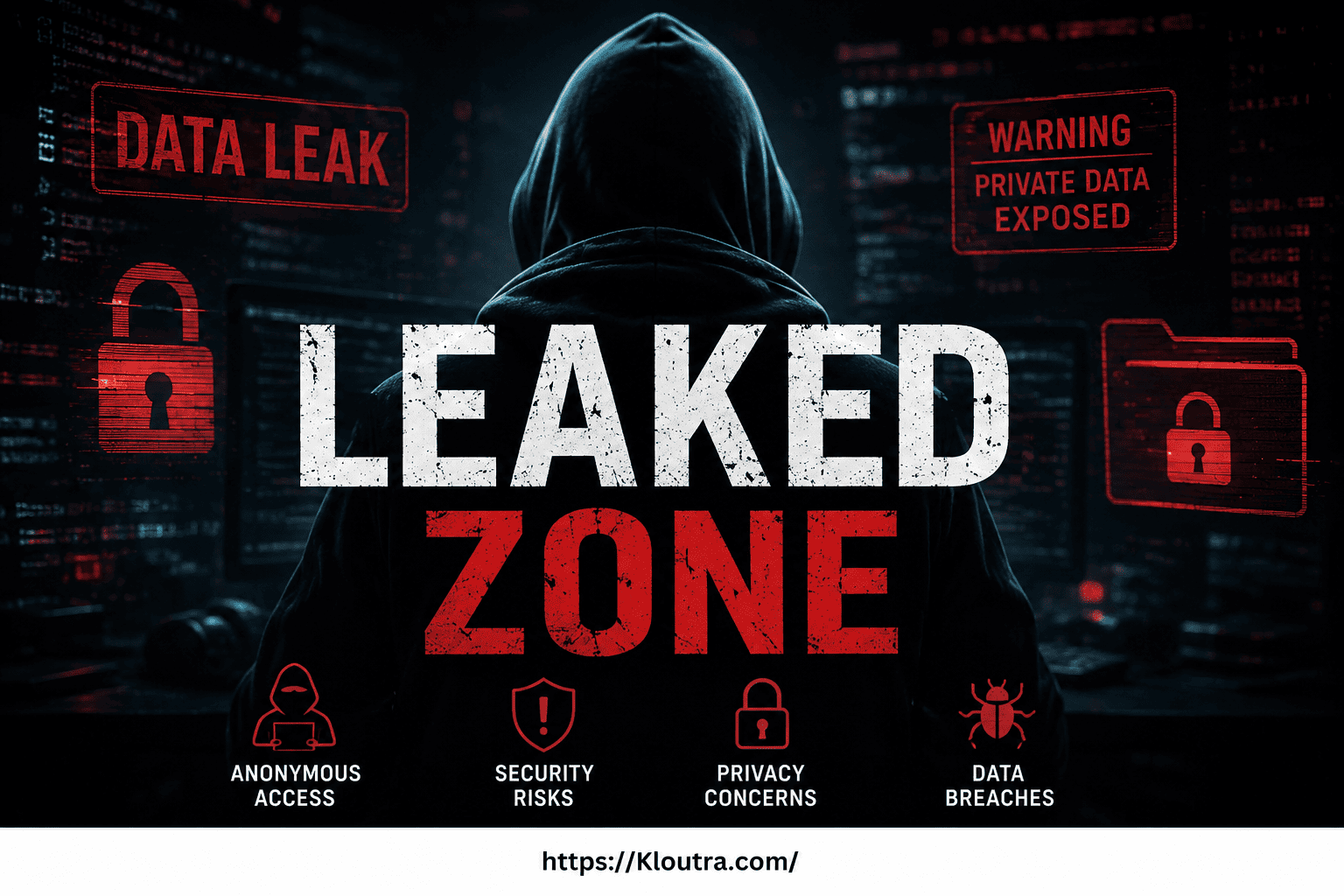
Have you seen the term “Leaked Zone” pop up online and wondered what it actually means? You are not alone. Thousands of people search this term every month, but most don’t know what they’re getting into.
In short, Leaked Zone refers to websites that host or link to content shared without the original owner’s permission. This can include private photos, videos, documents, or even hacked account data. Before you visit a site like this, it’s worth understanding exactly what you’re dealing with, because the risks go far beyond a simple website visit.
This guide breaks down what Leaked Zone is, how it works, whether it’s safe, the real advantages and disadvantages people weigh when searching for it, and what you should do to protect your privacy. For broader technology and online-safety explainers like this one, you can browse Kloutra’s Technology section.
What Is Leaked Zone?
Leaked Zone is not one single, official platform. The name is used loosely across the internet to describe two different types of sites.
Type 1: Adult Content Aggregators Some sites use “Leaked Zone” or similar names to describe pages that collect and display adult content. This content is often pulled from paid platforms like OnlyFans or Chaturbate without the creator’s consent. These sites don’t create the content themselves. Instead, they act like a directory, linking out to files hosted elsewhere.
Type 2: Data Leak and Cracking Forums Other sites with a similar name operate more like underground forums. They trade hacked databases, stolen login credentials, and cracked software. These forums market themselves as places to find “leaks” of almost anything, from breached company data to pirated media.
In short, “Leaked Zone” is less a single destination and more a category of website. That’s an important distinction. If someone tells you they use “Leaked Zone,” you genuinely don’t know which kind they mean, or how risky it is.
Advantages and Disadvantages of Leaked Zone-Style Sites
It’s worth being upfront about why these sites attract traffic in the first place, and weighing that honestly against what it actually costs you. None of the points below are an endorsement — they’re here so you can make an informed decision.
Perceived Advantages (why people are drawn to them)
| Perceived benefit | The reality behind it |
|---|---|
| Free access to paid content | You’re consuming something the creator or copyright holder never agreed to give away for free — the “saving” comes at someone else’s expense |
| Feels convenient — no account or subscription needed | That same lack of gatekeeping is what makes these sites easy to fill with malicious ads and trackers |
| Satisfies curiosity about “exclusive” or hidden material | The material is often obtained through hacking, coercion, or breach of trust — curiosity here has a real victim on the other end |
Real Disadvantages
- Malware and adware exposure. These sites rely on aggressive, often unvetted ad networks to make money, increasing the odds of pop-ups, fake update prompts, and malicious redirects.
- Data exposure. Some leak-focused platforms have had their own servers breached, exposing the IP addresses and activity logs of the very visitors trying to stay anonymous.
- Legal exposure. Downloading or distributing leaked content — private images, copyrighted media, or cracked software — can carry real legal consequences, and the rules vary significantly by country.
- Harm to real people. “Leaked” content usually involves someone who never consented to it being shared. Viewing or spreading it contributes to that harm regardless of how the site markets itself.
- No accountability if something goes wrong. Unlike a legitimate platform, there’s no support line, no dispute process, and no recourse if your device or data is compromised.
Weighed side by side, the perceived upside is short-lived (free, convenient, novel) while the downside is durable (legal record, compromised data, contribution to real harm). That asymmetry is the core reason security researchers and consumer-protection agencies consistently advise against these sites.
Is Leaked Zone Safe? The Honest Answer
This is the question most people actually want answered. The honest answer has three layers: technical safety, legal safety, and personal safety.
Technical Safety Some scans of these sites don’t detect active malware on the main pages. However, that doesn’t mean you’re in the clear. Many leak-focused sites run aggressive ad networks that push pop-ups, fake “update your browser” prompts, and redirect links. Clicking the wrong button can lead you to a malicious download in seconds.
Legal Safety This is where things get serious. Sharing or downloading content that was leaked without consent can break the law in many countries. This applies whether it’s a private photo, a copyrighted movie, or a cracked piece of software. Laws differ by location, so what feels like a grey area in one country could carry real penalties in another.
Personal Safety and Privacy Even if you never upload anything, visiting these sites can expose your IP address, browsing habits, and device information to ad trackers and, in some cases, the site operators themselves. In 2025, a well-known leak forum accidentally exposed its own users’ IP addresses and login records because of an unsecured database. In other words, the site meant to protect anonymity ended up doing the opposite.
Why Do People Search for Leaked Zone Sites?
Understanding the motivation helps explain why these sites keep attracting visitors, even with the risks.
The Pull of Free Access Many people are simply looking for content without paying. A movie still in theaters, a subscription-only video, or premium software can feel expensive, so a free alternative looks tempting.
Curiosity About the Forbidden There’s a natural human pull toward things that feel secret or off-limits. Leak sites lean into that curiosity on purpose.
Believing There’s No Legal Alternative Some users think official platforms are too costly or too restrictive, so they turn to unofficial sources instead. In most cases, this belief is outdated. Legal streaming, subscription, and open-source options have grown a lot in recent years.
The Real Risks of Using Leaked Zone Websites
- Malware and Adware — Leak sites often rely on aggressive advertising to make money since they don’t sell legitimate products. This means more pop-ups, more redirects, and a higher chance of stumbling into a fake download button.
- Data Exposure — As mentioned earlier, some of these platforms have had their own servers breached. If a site logs your IP address and login activity, and that database gets exposed, your activity could become linkable to your identity.
- Legal Consequences — Downloading or distributing leaked content, whether it’s copyrighted media, cracked software, or private images, can carry legal consequences depending on your country’s laws.
- Harm to Real People — It’s easy to forget that “leaked” content often involves a real person who never agreed to have it shared. This applies especially to private photos and videos. Viewing or spreading this kind of content contributes to real harm, regardless of how the site markets itself.
How to Protect Your Privacy Online
Whether or not you ever encounter a site like this, good privacy habits protect you everywhere online.
Use Strong, Unique Passwords Reusing passwords across accounts means one leaked database can unlock several of your accounts at once. A password manager makes unique passwords easy to maintain.
Turn On Two-Factor Authentication Two-factor authentication adds a second lock on your accounts. Even if a password leaks, your account stays protected.
Be Careful What You Click Avoid clicking pop-ups, “download now” buttons, or browser update prompts on unfamiliar sites. These are common tricks used to install unwanted software.
Check If Your Data Has Been Exposed The nonprofit-run tool Have I Been Pwned lets you check whether your email address has appeared in a known data breach. It’s a quick habit worth building.
If You’re the Victim of a Leak, Report It If your own private images have been shared without consent, StopNCII.org is a free tool (operated by the UK’s Revenge Porn Helpline in partnership with major platforms) that helps get non-consensual intimate images blocked and removed across participating sites. If your identity or financial information has been exposed, the U.S. Federal Trade Commission’s IdentityTheft.gov walks you through reporting it and building a recovery plan.
Support Original Creators and Platforms Choosing legal, paid alternatives keeps creators and companies in business. It also keeps you out of legal grey areas entirely.
Leaked Zone Review 2026: What’s Changed
Sites in this category tend to shift domains often, sometimes due to legal takedown requests, sometimes due to hosting issues. A site that was accessible last year may be offline, renamed, or replaced by a copycat today. Security scans on these platforms can also change from month to month, since ad networks and hosting providers rotate frequently.
Because of this, any “safety rating” you read for a leak-focused site is only accurate for that specific moment. Treat these reviews as a snapshot, not a permanent verdict.
FAQ
What does “Leaked Zone” actually mean? It’s a general term for websites that host or link to content shared without permission from the original owner. It’s not one official site, but a category that includes both adult content aggregators and data-leak forums.
Is Leaked Zone safe to visit? It carries real risks, including exposure to malware-laden ads, potential legal issues, and privacy risks if the site itself gets breached. There’s no version of “safe” that removes all three concerns.
Can I get in legal trouble for visiting a leaked content site? Simply visiting a site is generally lower risk than downloading or sharing content from it, but laws vary widely by country. Downloading copyrighted, stolen, or non-consensual content is where legal risk increases the most.
How do I know if my information was part of a leak? You can check your email address on a breach-checking service like Have I Been Pwned. If it shows up, change your passwords immediately and enable two-factor authentication.
Are there legal alternatives to leak sites? Yes. Official streaming platforms, subscription services, and open-source software repositories cover most of what people search leak sites for, without the legal or security risks.
Conclusion
Leaked Zone is a catch-all name for websites built around unauthorized content, whether that’s private media, pirated files, or stolen data. While some of these sites may look harmless on the surface, the combination of malware risk, legal exposure, and privacy danger makes them far riskier than they appear — and, as the advantages-versus-disadvantages breakdown above shows, whatever short-term convenience they offer is consistently outweighed by the downside.
The safest move is simple: stick to legal platforms, protect your accounts with strong passwords and two-factor authentication, and check your email against breach databases regularly. A little caution now can save you a lot of trouble later.
For more guides like this one, see Kloutra.com.
Disclaimer: This article is for informational purposes only, not legal or professional advice. Kloutra.com does not host, link to, or endorse any site distributing leaked, hacked, or non-consensual content. Laws vary by jurisdiction — consult a legal professional if needed.

Related Posts

Mobile App Development Tips for Beginners
Best Spotify Alternatives for Music Streaming