FlowXD Explained: What It Actually Means and How It Works
Introduction
Search “FlowXD” online, and you’ll get confused fast. Some call it a tool. Others call it a mindset. This article breaks down both versions, explains how each one actually works, and helps you decide if it’s worth your time.
What Is FlowXD? (And Why Nobody Fully Agrees)
Type that word into Google, and the answers won’t match up.
Some articles call it a productivity app. Others call it a mindset. A few say it’s just a buzzword with no fixed meaning yet.
Here’s the honest truth: FlowXD isn’t a well-known, standardized term. It does not come from one company or a single clear source. That’s why definitions vary so much from site to site.
So let’s break down the two main ways people use this term.
FlowXD as a Concept — Flow State Meets Experience Design
In this version, FlowXD isn’t a product. It’s an idea.
The name comes from two parts. “Flow” means deep focus, where work feels smooth and distractions fade away. “XD” stands for experience design, or how something feels to use.
Put together, FlowXD means designing your work and tools so you stay focused longer. The goal is simple. Remove friction. Reduce distractions. Help people work better with less stress.
Under this definition, FlowXD isn’t something you download. It’s a way of thinking about work.
I’ve come across a few similar “flow-based” ideas before, and one thing stays true every time. The moment you stop switching between five apps, work actually feels lighter.
FlowXD as a Workflow/Productivity Tool
Other sources describe FlowXD differently. Here, it’s a digital platform built for managing tasks and workflows.
In this version, FlowXD helps people plan content, organize projects, and automate repetitive steps. It’s aimed at creators, marketers, and small teams who juggle multiple tasks.
The idea is to bring planning, collaboration, and tracking into one place. Instead of switching between apps, users manage everything from a single dashboard.
It’s worth noting that no single official source confirms this product in detail. So treat this definition carefully until more verified information appears.
Tools like this always sound promising on paper. But honestly, the real test is simple — does it actually save time, or just move the clutter somewhere else?
How Does FlowXD Actually Work?
This depends on which version of FlowXD you mean.
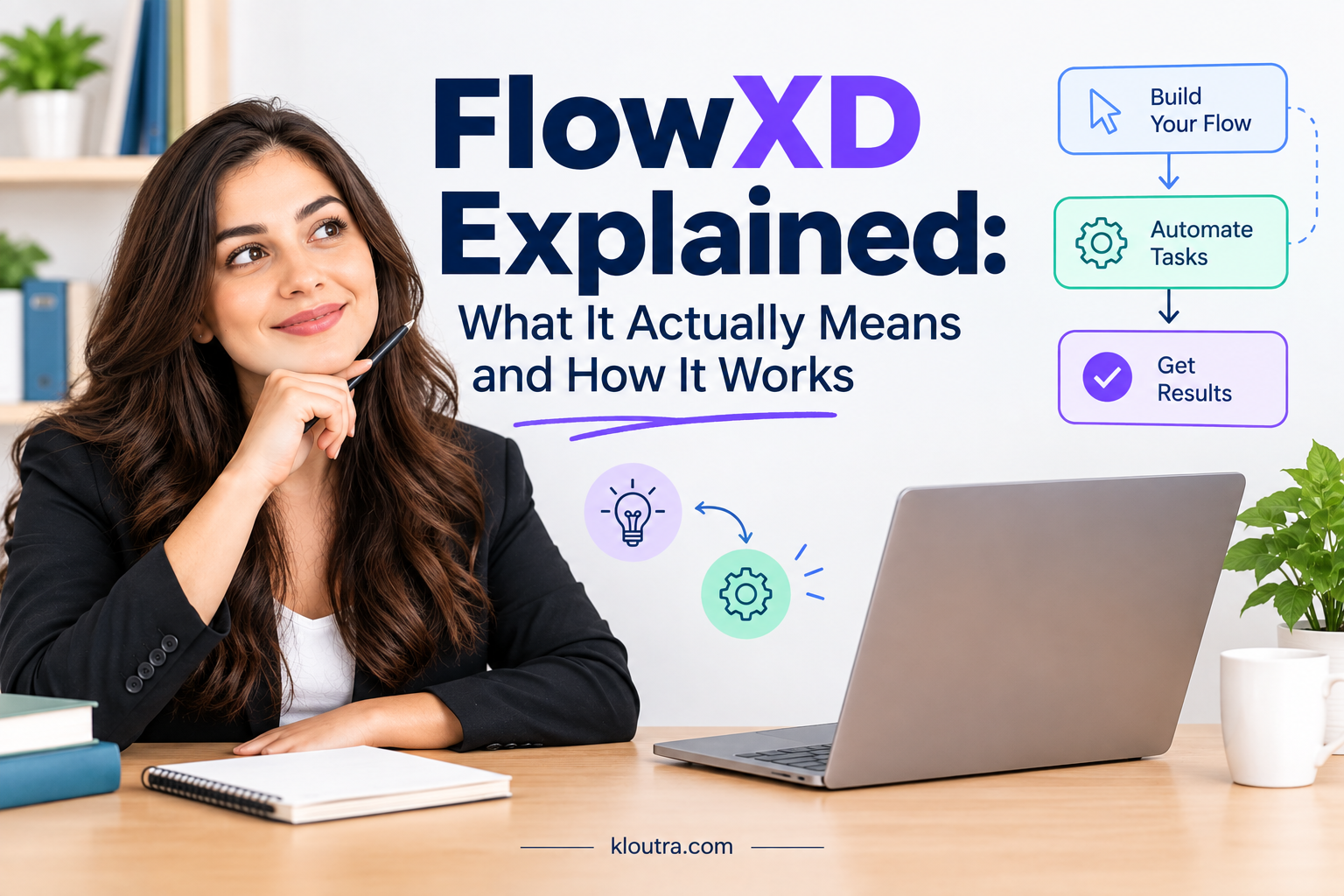
As a concept, it works through habits, not software. You cut distractions first. Then you organize tasks in a clear order. One step leads into the next, instead of jumping around.
I’ve noticed this works best when you set it up before starting work, not during.
As a tool, the process looks different.
You’d start by creating a project or content calendar. Then break it into smaller tasks. The platform helps assign, track, and flag delays.
Automation handles the repetitive parts, like reminders and status updates.This gives you more time for important work. Teams can also collaborate in one place, instead of across five different apps.
One caution though. Since FlowXD isn’t backed by one official source, features can vary by platform. Always check directly before relying on specific claims.
In short, FlowXD “working” means one of two things. Either you’re building better focus habits, or using a tool to automate tasks. Both aim for the same result — less friction, more progress.
Key Features
These features come up most often when people describe FlowXD as a tool. Keep in mind, since there’s no single official source, exact features can differ by platform.
Task & Workflow Organization
FlowXD lets you break big projects into smaller tasks. You can set a clear order for each step. This helps you see what’s next without guessing.
Everything stays in one place. No jumping between different apps or notes.
Automation
Repetitive tasks get handled automatically. Think reminders, status updates, or moving tasks to the next stage.
This saves time on small, boring steps. You get to focus on the actual work instead.
Team Collaboration
Teams can work together inside the same space. Updates, comments, and files stay connected to the task.
No more digging through five different chat apps to find one file. Everything lives where the work happens.
Tracking and Reporting
You can see how a project is moving in real time. Delays get flagged early, before they become a bigger problem.
This helps teams spot bottlenecks fast. Catching delays early is always easier than fixing them later.
Who Is FlowXD For?
FlowXD fits people who juggle multiple tasks and want less chaos.
Small businesses often run on tight teams and tighter schedules. FlowXD helps keep tasks organized without needing extra staff to manage it all.
Marketing teams deal with content calendars, deadlines, and constant updates. A tool like this keeps campaigns on track and reduces missed dates. If you want a deeper look at AI-driven content workflows, see our guide on generative AI for content marketing
Remote teams face a different problem. Work happens across time zones, and updates get lost easily. Having one shared space helps everyone stay on the same page.
Operations teams manage a lot of moving parts at once. Tracking tasks and spotting delays early makes a real difference here.
That said, FlowXD isn’t only for tool users. If you like the concept version, it works for anyone who wants better focus. Students, freelancers, and solo creators can use the same ideas without any software at all.
From what I’ve seen, the people who benefit most are the ones drowning in scattered tasks. If your work already feels organized, you might not need much change at all.
FlowXD vs Traditional Workflow Tools
Traditional workflow tools have been around for years. Think spreadsheets, basic to-do apps, or tools like Trello and Asana.
These tools work well for tracking tasks. But they often need manual updates. You add tasks, move them, and update status yourself.
FlowXD, as a tool, leans more on automation. It tries to handle repetitive steps for you. Less manual work, in theory.
There’s also a difference in setup. Traditional tools usually focus on one thing, like task boards or calendars. FlowXD aims to combine planning, automation, and collaboration in one place. If you want to understand how businesses manage growing workflows more broadly, check out our guide on why businesses need an output management system.
That sounds convenient. But it’s worth remembering something important. Traditional tools like Trello and Asana are well-documented, tested, and used by millions. FlowXD, as a tool, doesn’t have that same track record yet.
In my experience, older tools win on reliability. Newer tools like FlowXD may win on convenience, but only if they actually deliver.
So the real difference isn’t features on paper. It’s proven results versus a promising idea still finding its footing.
Limitations — Where FlowXD Falls Short
No tool or concept is perfect. FlowXD has a few real gaps worth knowing.
First, there’s no single official source. Different sites describe FlowXD in different ways. This makes it hard to know exactly what you’re getting.
Second, as a tool, it lacks a proven track record. Established platforms like Asana or Trello have years of user reviews and case studies. FlowXD doesn’t have that yet.
Third, if you’re using it as a concept, results depend entirely on you. It’s not a fixed system. Some people will stick with it. Others will drop it after a week.
Fourth, teams switching from familiar tools may face a learning curve. New systems always take time to adjust to, even simple ones.
Unproven tools can be risky for teams with tight deadlines, especially when work is already piling up. It’s smart to test something small before relying on it fully.
So before adopting FlowXD, go in with realistic expectations. Treat it as something to explore, not something to blindly trust yet.
My Take — Is FlowXD Worth Paying Attention To?
Honestly, I think FlowXD is still finding its identity.
Right now, it sits somewhere between a buzzword and a real category. That’s not a bad thing. Most tools start out messy before they settle into one clear meaning.
If you like the concept version, there’s no real risk in trying it. Cutting distractions and organizing your work in order costs nothing. Worst case, it doesn’t change much for you.
If you’re eyeing it as a tool, I’d be more careful. Test it on a small project first. Don’t move your whole team over before you know it actually works.
What stands out to me is the timing. More people are searching for ways to reduce chaos in their work. Something like FlowXD, whether it’s a mindset or a platform, fits that need well.
My honest advice? Keep an eye on it. Don’t rush in, but don’t ignore it either. If it grows into something clearer over the next few months, it could genuinely be worth adopting early.
For now, treat it as promising, not proven.
Conclusion
FlowXD isn’t one clear thing yet. It’s part mindset, part tool, still taking shape.
If you’re chasing better focus, the concept costs nothing to try. Cut distractions, organize your tasks, and see how it feels.
If you’re looking at it as a platform, move slowly. Test it small before trusting it with real deadlines.
Either way, FlowXD is worth watching. It might turn into something clearer soon. For now, stay curious, but stay careful too.
Disclaimer
This article is based on publicly available information at the time of writing. FlowXD is not backed by one official, well-documented source, and definitions vary across different websites.
We have not tested any specific FlowXD product ourselves. Features, pricing, and availability may change without notice. Always check the official platform directly before making any decisions based on this article.
This content is for informational purposes only and should not be treated as professional or business advice.