Artificial Intelligence Promotion Solutions to Improve Marketing
Introdiction
Artificial intelligence promotion solutions help businesses create content, manage campaigns, and track marketing performance with less manual work. However, choosing the right tools can be challenging with so many options available. This guide explores 10 AI promotion solutions, explains how to choose the right tools, and shares practical tips for using AI effectively while avoiding common risks.
What Are Artificial Intelligence Promotion Solutions?
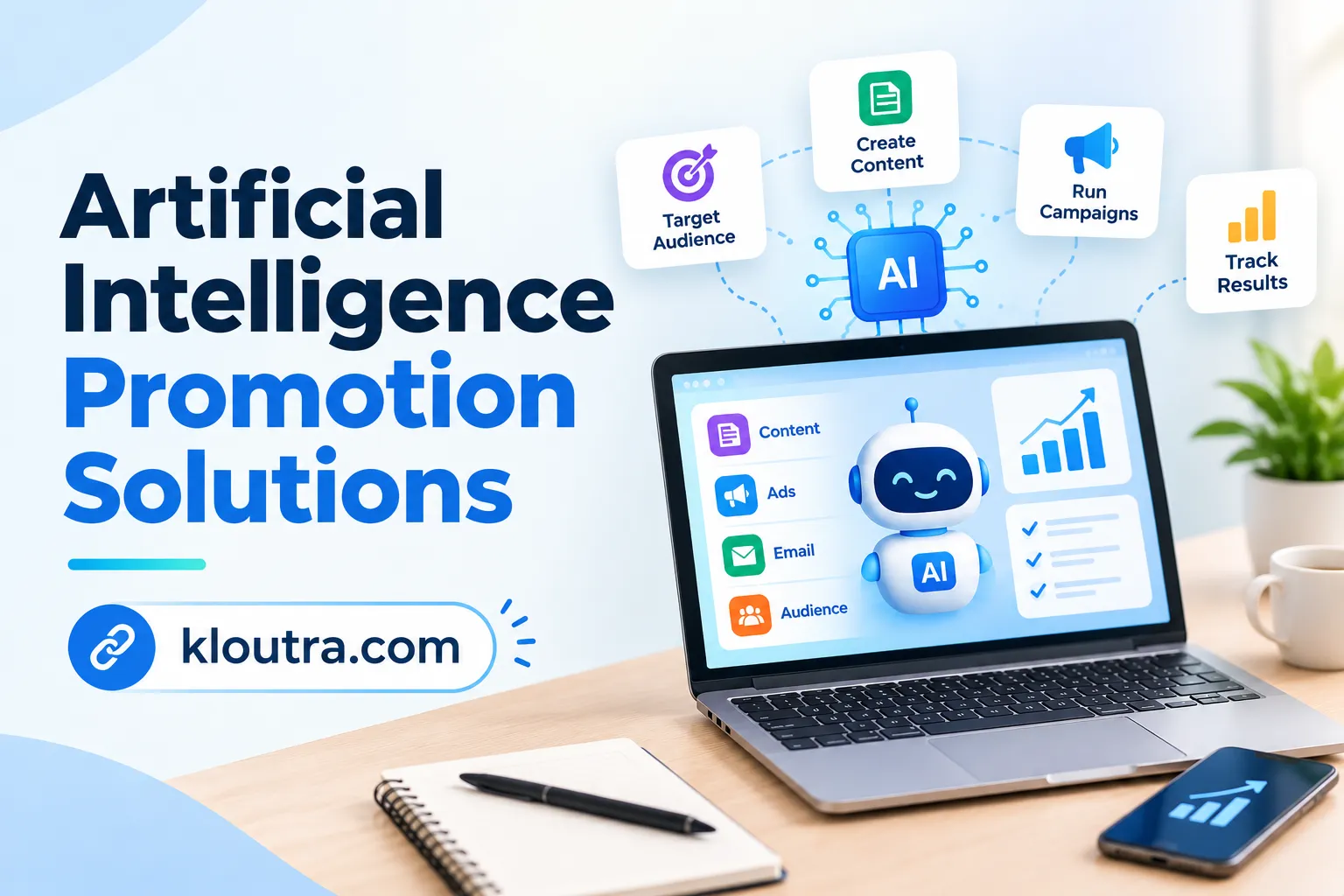
Artificial intelligence promotion solutions help businesses attract customers using AI-powered marketing tools. These tools support tasks like creating ads, targeting audiences, and improving marketing campaigns.
For example, AI tools can generate ad copy, suggest audience segments, personalize emails, and analyze campaign performance. Some platforms also automate campaign adjustments based on available data and advertiser-defined goals.
In 2026, AI promotion covers more than traditional advertising. Businesses can use AI to create content for different platforms, understand customer behavior, and monitor how their brands appear in AI-powered search results. However, features vary by platform, and results depend on data quality and campaign strategy.
10 AI Promotion Solutions to Improve Marketing
1. AI Content Creation Tools
Tools such as ChatGPT and HubSpot Breeze help marketers draft blog posts, product descriptions, and ad copy. They can also rewrite existing content for different audiences. Marketers should verify facts, remove generic claims, and add original insights before publishing.
2. AI Social Media Management Tools
Tools such as Canva and HubSpot help teams create social media content and manage campaigns. AI features can suggest captions, generate visuals, and support content planning. Teams should check platform requirements and review every post before publishing.
3. AI Advertising and Campaign Optimization
Google Ads uses AI to support targeting, bidding, and ad creation. Its AI Max for Search campaigns can expand search matching, customize ad text, and select relevant landing pages. Advertisers should monitor search terms, spending, and conversions to ensure campaigns meet their goals.
4. AI Email Marketing Automation
Platforms such as HubSpot help businesses create email campaigns and automate follow-ups. AI features can suggest subject lines and personalize messages using available customer data. Marketers should segment contact lists and track clicks, conversions, and unsubscribes.
5. AI-Powered Customer Personalization
AI personalization tools use available customer data to tailor marketing messages and product recommendations. For example, an online store might recommend products based on a shopper’s browsing history. Businesses should use appropriate permissions and avoid collecting unnecessary personal information.
6. AI SEO and Content Optimization Tools
Tools such as Semrush and Ahrefs help marketers research keywords and analyze competitors. AI features can support content briefs, topic research, and optimization suggestions. Marketers should prioritize search intent, accuracy, and useful information instead of repeating keywords unnecessarily.
7. AI Chatbots for Customer Engagement
AI chatbots can answer common questions, explain product features, and guide visitors through basic tasks. Businesses can use them to support customers outside regular working hours. Chatbots should provide accurate answers and direct complex requests to human staff.
8. AI Video and Image Creation Tools
Canva and Adobe Firefly offer AI features for creating or editing marketing visuals. Marketers can use these tools for campaign graphics, product concepts, and social media creatives. Before publishing, check product details, image rights, and any required disclosures.
9. AI Marketing Analytics and Reporting
Google Analytics and marketing platforms help businesses measure traffic, engagement, and conversions. AI features can summarize data or highlight patterns that deserve further investigation. Marketers should verify these insights against actual reports before changing campaign budgets or strategies.
10. AI Search Visibility and Brand Monitoring Tools
Tools such as Semrush, Ahrefs Brand Radar, and specialized AI visibility platforms help marketers monitor online brand presence. Depending on the tool, reports may track brand mentions, competitor visibility, or appearances in AI-generated answers. Results can vary by query and platform, so marketers should treat them as monitoring signals rather than complete measurements of visibility.
How to Choose the Right AI Promotion Solution
Start by identifying the marketing task you want to improve. Then choose a tool that solves that specific problem.
Check these five things before choosing:
- Main purpose: Choose content tools for writing, advertising tools for campaigns, or analytics tools for measuring results.
- Ease of use: Make sure your team can use the tool without unnecessary training.
- Integration: Check whether it works with your existing website, CRM, email platform, or advertising accounts.
- Pricing: Compare usage limits, subscription costs, and extra charges before paying.
- Privacy and accuracy: Review how the provider handles your data and check the quality of its results.
Challenges to Consider Before Using AI Marketing Tools
AI marketing tools can save time, but they also have real limitations.
Accuracy and Misleading Claims
AI can create incorrect facts, fake statistics, or unsupported product claims. Check every claim before publishing ads or marketing content. Businesses remain responsible for truthful advertising, even when AI creates the content.
Customer Data and Privacy
AI tools may process customer details, campaign data, or business information. Check how each provider stores and uses your data. Never enter sensitive customer information into unapproved tools.
Copyright and Content Ownership
AI-generated text, images, and videos can raise copyright concerns. Check usage rights before using AI content in commercial campaigns. Avoid copying competitors’ content or creating misleading images of real people.
Uncontrolled Automation
Some AI tools can change bids, adjust campaigns, or send automated messages. Incorrect settings can waste money or send unsuitable messages. Set spending limits and review automated actions regularly.
Weak Results and Hidden Costs
AI tools do not guarantee more sales, leads, or engagement. Subscription fees and usage limits can also affect your budget. Track conversions and costs to confirm whether each tool delivers value.
Changing Rules and Platform Policies
AI marketing rules and platform policies can change over time. Some uses may require disclosures or extra safeguards, depending on the content and location. Review relevant requirements before publishing AI-generated advertisements or media.
Best Practices for Using AI in Marketing
AI works best when businesses combine automation with human judgment. Follow these practices to improve marketing quality and reduce avoidable mistakes.
Set Clear Marketing Goals
Decide what you want AI to help achieve. Your goals might include more leads, better engagement, or lower advertising costs. Choose tools that support those specific goals.
Test Before Scaling
Test AI tools on a small campaign before wider use. Compare results with your previous marketing performance. Track conversions, cost per lead, engagement, and return on ad spend when relevant.
Update Tools and Workflows
Review your tools regularly as features and platform policies change. Check whether each tool still meets your needs and budget. Remove tools that add costs without delivering clear benefits.
Frequently Asked Questions
Can AI Promotion Tools Help Small Businesses?
Yes, AI promotion tools help small businesses create content, manage campaigns, and save time. They can also improve targeting and track results without requiring large marketing teams.
What Are Some Solutions to Artificial Intelligence?
Common AI solutions include chatbots, content creation tools, marketing automation, and predictive analytics. Businesses use these solutions to improve customer service, personalize promotions, and analyze campaign performance.
Can AI Marketing Tools Run Campaigns Automatically?
Yes, some AI marketing tools can automate ad bidding, email campaigns, and audience targeting. Marketers should still monitor spending, review results, and adjust campaigns when needed.
Does AI Replace Human Marketers?
No, AI supports marketing tasks but cannot fully replace human judgment and creativity. Marketers still guide strategy, check accuracy, understand customers, and make important decisions.
Final Thoughts
Disclaimer: This article provides general information about artificial intelligence promotion solutions for educational purposes. AI tools, features, and pricing may change over time. Always verify tool details with official providers before making purchasing decisions. Results vary depending on your strategy, budget, and implementation. We do not guarantee specific marketing results from using AI tools.